
Protecting your vehicle investment in Arizona’s brutal climate requires understanding two completely different protection technologies. XPEL PPF and ceramic coating serve distinct purposes. Knowing which one to apply first can save you thousands in reapplication costs while maximizing your paint protection.
After safeguarding over 15,000 vehicles since 2001, Gannon Ceramic Coatings & Mobile Detailing has seen countless Arizona owners make expensive mistakes by choosing the wrong protection sequence. The desert’s extreme UV exposure, rock chips from highway driving, and 122°F temperatures create unique challenges. Strategic layering of protection film and ceramic technology becomes essential.
The short answer? XPEL PPF should almost always come before ceramic coating.
But understanding why requires knowing exactly what each technology delivers and how they work together to create comprehensive vehicle armor against Arizona’s harsh conditions.
Understanding Paint Protection Film Technology
Paint protection film, commonly called PPF or clear bra, is a thick thermoplastic urethane layer applied directly to your car’s paint surface. XPEL manufactures premium-grade film products that offer self-healing properties. Minor scratches and swirl marks disappear with heat exposure.
XPEL PPF delivers physical barrier protection that ceramic technology simply cannot match. Rock chips, road debris, bug acid, and bird dropping impacts get absorbed by the film rather than damaging your factory paint. This protection proves essential on Arizona highways where gravel trucks and construction create constant hazards.
The material’s thickness matters. Your paint stays chip-free for years because XPEL PPF’s substantial 6-8 mil thickness creates a real physical barrier. Compare that to ceramic coating’s microscopic nanolayer.
For high-impact zones like front bumpers, hoods, and mirrors, protection film remains the only technology that stops rock chips completely.
Modern XPEL films now include hydrophobic topcoats, giving them water-beading properties similar to ceramic coatings. However, their primary value comes from impact resistance and self-healing capabilities.
Arizona owners who frequently drive I-10 or I-17 understand how quickly rock chips accumulate. Full PPF coverage can preserve factory paint indefinitely despite aggressive driving conditions.
Understanding Ceramic Coating Protection Technology
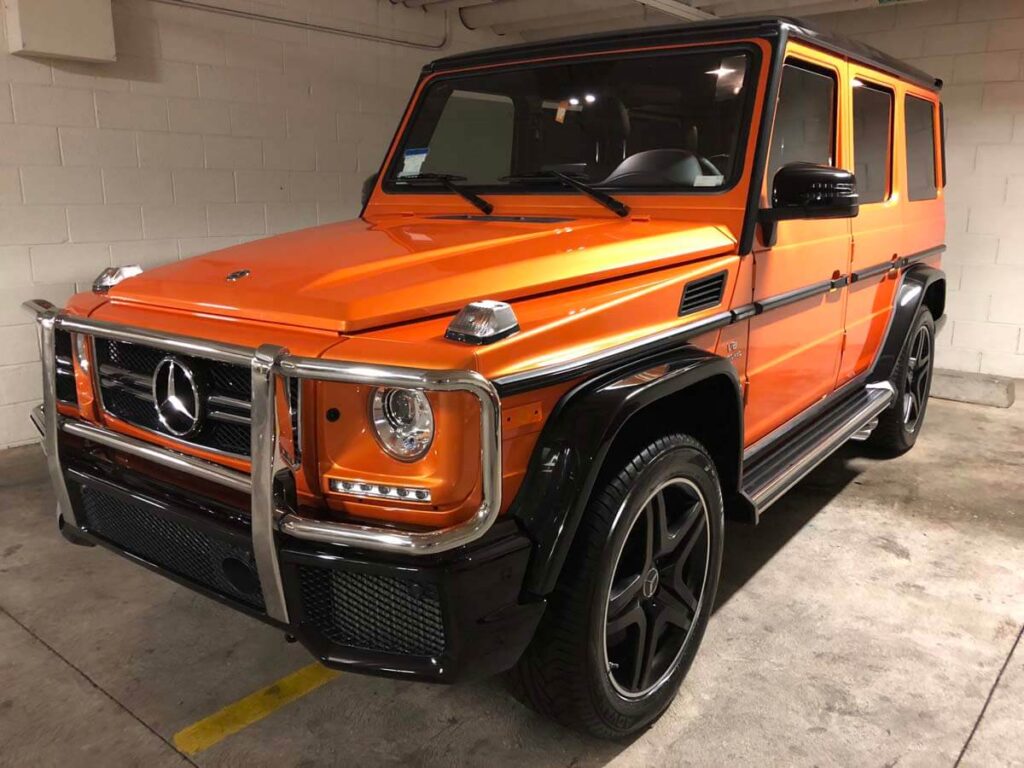
Ceramic coating creates a permanent chemical bond with your paint surface through nanotechnology. Unlike wax or sealants that sit on top of paint, professional-grade ceramic coatings like Nano Pro Borophene penetrate microscopic paint pores and cure into a hardened glass-like layer.
The primary benefits focus on chemical resistance and hydrophobic properties. Your vehicle repels water, resists etching from bird droppings and bug splatter, and makes car detailing dramatically easier. Contamination slides off rather than bonding to paint. This reduces wash frequency and eliminates swirl marks during maintenance.
Arizona’s intense UV exposure makes ceramic coating particularly valuable. Professional-grade coatings block oxidation and fading that destroy unprotected paint within 2-3 years of desert exposure.
The microscopic barrier blocks UV penetration while enhancing gloss and depth. Your vehicle maintains showroom appearance even under constant sun exposure.
However, ceramic coating offers minimal physical impact protection. While it adds measurable scratch resistance during washing, it won’t stop rock chips or door dings. The technology excels at chemical protection and maintenance reduction but needs PPF for complete physical barrier coverage.
XPEL Fusion Plus and Nano Pro Borophene represent professional-grade ceramic coatings that deliver 4-8+ year performance when properly maintained. These systems demand professional prep work and installation. DIY ceramic coating attempts frequently create more problems than they solve.
XPEL PPF vs Ceramic Coating: Critical Differences Explained
Understanding PPF or ceramic requires comparing their fundamental protection mechanisms.
Paint protection film creates physical barrier protection through substantial material thickness. Ceramic coating delivers chemical resistance and hydrophobic properties through molecular bonding. They’re completely different technologies solving different problems.
XPEL PPF excels at impact protection. Rock chips, scratches, and abrasion damage get stopped before reaching your paint. The self-healing topcoat eliminates minor scratches with heat exposure—park in Arizona sun and watch swirl marks disappear.
Installation covers high-impact areas like bumpers, hoods, mirrors, door edges, and rocker panels where damage occurs most frequently.
Ceramic coating delivers superior chemical protection and maintenance benefits. Contaminants like bird droppings, tree sap, and bug acid won’t etch through the hardened nanolayer. Water beads and sheets off during rain or washing, reducing water spot formation.
The hydrophobic properties mean your car stays cleaner longer between washes. You’ll spend significantly less time on car detailing annually.
Full PPF coverage typically requires more investment than partial PPF coverage focusing on front clip and high-impact areas. Full ceramic applications vary based on coating grade and package duration. Most Arizona owners choose strategic PPF placement combined with full ceramic for optimal protection value.
Installation time requirements differ significantly. XPEL PPF takes 2-4 days for full coverage as precision cutting and film positioning demand expertise. Ceramic coating application requires 1-2 days including proper paint correction and surface preparation.
Both demand professional installation. Improper technique creates permanent appearance issues.
Which Protection Should You Apply First?
Always install PPF first, then apply ceramic coating on top. This layering creates synergistic protection where each technology enhances the other. Understanding why this order matters prevents costly reapplication expenses.
Paint protection film must be installed on bare paint or factory clear coat. Ceramic coating creates a permanent molecular bond that PPF adhesive cannot penetrate.
What happens if you apply ceramic first? The film won’t adhere properly and will peel or bubble within months. Reversing the process means stripping the ceramic coating completely—essentially starting over at full cost.
Applying PPF ceramic protection as a combination delivers maximum benefit. XPEL PPF handles physical impacts while ceramic coating applied over the film enhances its hydrophobic properties and UV resistance.
The ceramic layer also seals film edges. This prevents contamination from creeping underneath over time.
Many installers now offer XPEL with factory ceramic topcoats. But adding a premium coating like Nano Pro Borophene over PPF surfaces creates even greater chemical protection. The combination means your protection film maintains clarity and self-healing properties longer while delivering easier maintenance than PPF alone.
For budget-conscious owners, protect high-impact areas with PPF first, then cover the entire vehicle with ceramic coating. This strategic approach stops damage where it occurs most while giving complete chemical protection everywhere else. As budget allows, expand PPF coverage to additional panels.
Arizona Climate Demands Layered Vehicle Protection
Arizona’s extreme conditions make PPF ceramic combinations particularly valuable. Summer temperatures reaching 122°F accelerate both physical and chemical paint damage. Gravel trucks on desert highways create rock chip hazards. Monsoon dust storms leave abrasive contamination that creates swirl marks during washing.
XPEL PPF stops rock chip damage that occurs within the first year of Arizona highway driving. Without protection film, front bumpers, hoods, and mirrors show dozens of chips by 10,000 miles. These chips become rust entry points that spread under paint. Repainting becomes necessary to prevent further deterioration.
Ceramic coating blocks the oxidation and fading that destroys Arizona car paint surfaces. Unprotected vehicles show significant clear coat failure within 24-36 months of desert sun exposure.
The UV-blocking properties of professional ceramic coatings preserve paint depth and gloss indefinitely when properly maintained. We’ve seen vehicles with 8-year-old coatings that still look showroom fresh.
Bird droppings prove particularly destructive in Arizona heat. Acidic deposits etch through factory clear coat within hours at 115°F temperatures. Ceramic coating stops this etching, while PPF absorbs the impact before acids reach paint.
The combination means complete protection against the state’s most common paint threats.
Dust and dirt accumulation creates another challenge. Arizona roads generate constant fine dust that bonds to paint surfaces. Ceramic coating’s hydrophobic properties block this bonding—dust rinses away during washing rather than requiring aggressive scrubbing.
This maintenance benefit alone saves substantial hours of car detailing time annually. That’s real time back in your schedule.
Professional Installation Creates Long-Term Value
Both XPEL PPF and ceramic coating demand professional expertise for proper results. Gannon Ceramic Coatings & Mobile Detailing holds elite XPEL certification and exclusive Nano Pro Borophene installer status—one of only three Arizona installers qualified for this advanced coating technology.
Paint preparation proves critical for both applications. Surface contamination, existing scratches, and improper washing create bonding failures.
Professional installers perform thorough decontamination, clay bar treatment, and paint correction before applying either PPF or ceramic products. This preparation work often represents 60% of total installation time. Skipping it guarantees failure.
Elite XPEL certification ensures installers understand proper film handling, cutting techniques, and installation procedures. The films need specific temperature and humidity conditions during application. Edge sealing, bulk removal, and tension management require training that DIY attempts cannot replicate.
Ceramic coating application demands even more precise surface preparation. Any contamination trapped under coatings becomes permanently sealed. Professional paint correction removes existing defects before coating application.
Installation environment must be dust-free and temperature-controlled. Arizona’s outdoor conditions make professional shop facilities essential for quality results.
Matte PPF and specialty film options add complexity demanding advanced installer expertise. Color-matching, seam placement, and film selection for complex curves require experience.
After 24 years protecting Arizona vehicles, Gannon Ceramic Coatings & Mobile Detailing understands which protection approaches deliver optimal results for different vehicle types and owner priorities.
Making Your Protection Decision
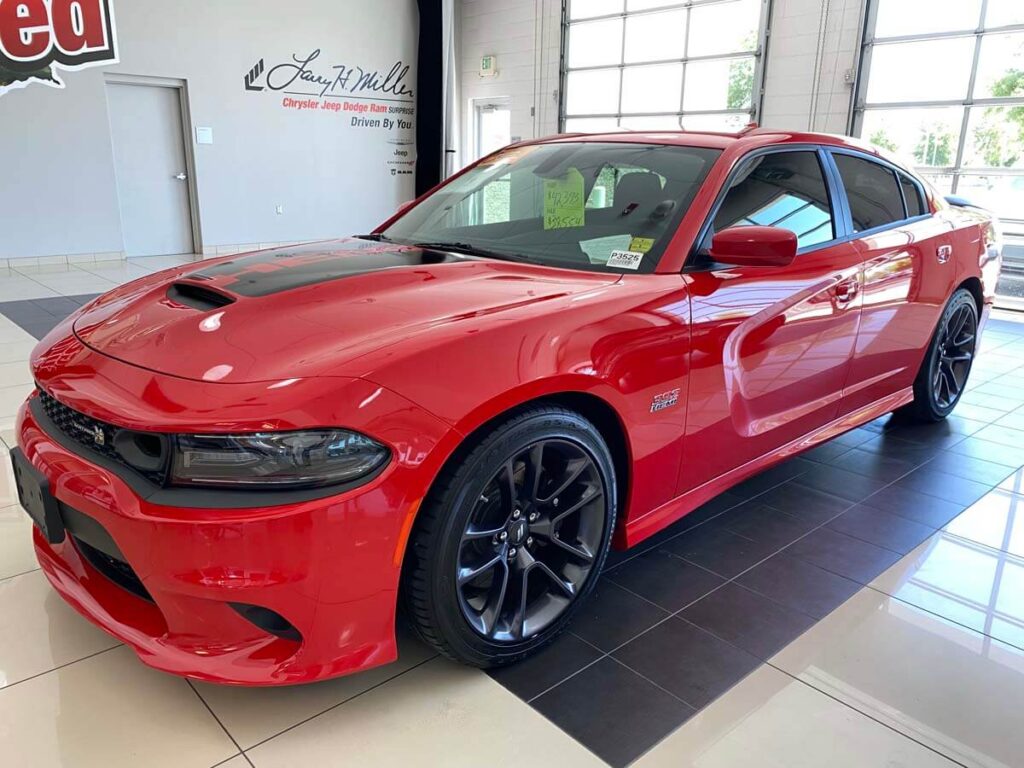
Choosing between PPF or ceramic depends on your vehicle value, driving patterns, and protection priorities. Which protection matches your driving style?
High-value vehicles, lease returns, and frequent highway drivers benefit most from full PPF combined with ceramic coating. Daily commuters with garage storage may prioritize ceramic alone with strategic PPF placement.
Consider your vehicle’s use case. Sports cars and luxury vehicles warrant maximum protection given their resale value sensitivity. Properly protected luxury vehicles maintain significantly higher resale values compared to unprotected equivalents. Work trucks and off-road vehicles need PPF on high-impact areas. Show cars benefit from full ceramic for appearance enhancement even without heavy PPF coverage.
Arizona highway driving makes front-end PPF nearly mandatory. The cost of repainting a chip-damaged hood quickly exceeds protection film investment. Adding ceramic coating over PPF extends film life while simplifying maintenance. Your vehicle stays cleaner with less frequent car detailing needs.
Budget allocation matters, but remember that proper paint protection stops expensive repairs. Strategic PPF investment blocks substantial future body work costs. Ceramic coating’s maintenance benefits save considerable time and money annually in car detailing expenses.
View both technologies as insurance rather than optional upgrades.
Window tint often complements PPF ceramic combinations for complete vehicle protection. Together, these technologies create comprehensive barriers against Arizona’s harsh environment. Prioritize based on damage risk—physical impacts demand PPF, chemical damage needs ceramic, and both together deliver maximum protection.
Experience Matters: 24 Years Protecting Arizona Vehicles
Gannon Ceramic Coatings & Mobile Detailing has protected over 15,000 vehicles since 2001, developing deep expertise in XPEL PPF vs ceramic coating combinations. As an elite XPEL-certified installer and Nano Pro Borophene specialist, we understand exactly which protection strategies deliver optimal results for Arizona conditions.
Our mobile service brings professional protection film and ceramic coating expertise directly to your location throughout Mesa, Scottsdale, Chandler, Gilbert, and the greater Phoenix metro area. We maintain fully self-contained operations with spot-free water systems and professional-grade equipment. Shop-quality results delivered at your home or office.
Every installation begins with thorough paint assessment and owner consultation. We explain PPF or ceramic options based on your specific vehicle, budget, and protection priorities.
Our transparent approach means you understand exactly what you’re getting and why each recommendation makes sense for your situation. No pressure, no upselling—just honest expertise.
Protection warranties range from 4-8+ years depending on coating selection and PPF coverage. We stand behind every installation with documented guarantees and comprehensive aftercare guidance. Your investment receives complete support throughout its service life.
Ready to protect your vehicle investment properly?
Contact Gannon Ceramic Coatings & Mobile Detailing for professional XPEL PPF and ceramic coating consultation. We’ll assess your car’s condition, explain optimal paint protection approaches, and deliver detailed proposals. With 24 years of Arizona expertise, we create protection solutions that preserve your vehicle’s appearance and value for years to come.