
Understanding how long your XPEL PPF installation time takes helps you plan accordingly and ensures you receive the quality protection your vehicle deserves. Most car owners underestimate the detailed work required for proper paint protection film application, leading to unrealistic expectations. At Gannon Ceramic Coatings & Mobile Detailing, we’ve installed XPEL protection on thousands of vehicles across Arizona since 2001, giving us deep insight into realistic timelines for different coverage levels.
The installation timeframe varies significantly based on your vehicle type, coverage area, and the condition of your paint surface. A compact car with full front coverage takes considerably less time than a full body wrap on an RV or commercial truck. These differences stem from surface area, complexity of curves and panels, and the preparation work required before the film ever touches your vehicle paint.
Beyond just applying film, professional XPEL installers invest substantial time in surface preparation, precise cutting, careful positioning, and meticulous detail work that prevents bubbles, lifting edges, and premature failure. Rushing this process compromises the protection you’re paying for and shortens the lifespan of your investment.
Understanding the XPEL Installation Process
The XPEL application process involves multiple stages that collectively determine your total time commitment. Surface preparation begins with thorough washing, clay bar treatment to remove contaminants, and often paint correction to eliminate existing swirls or scratches. Your vehicle needs pristine paint for optimal film adhesion—attempting to install protection film over compromised surfaces guarantees poor results.
Professional installers then precisely cut the XPEL film using computer-aided design patterns specific to your vehicle make and model. This step alone requires considerable attention, as improper sizing leads to gaps in protection or excessive material that creates visible lines. The actual film application uses a slip solution that allows repositioning before final adhesion, with a squeegee removing moisture and air bubbles systematically.
Final curing takes additional time as the film bonds completely to your paint. Immediately after installation, the edges may appear slightly raised or the surface may show minor haziness—both resolve as the film settles over 24-48 hours. Quality installers explain this curing process so you understand what’s normal versus what requires attention.
The entire installation process demands patience and precision. Each step builds on the previous work, meaning shortcuts at any stage compromise the final result. This systematic approach explains why professional PPF installation takes longer than many car owners expect, yet delivers protection that lasts years longer than rushed applications.
Standard Installation Time for Different Vehicle Types
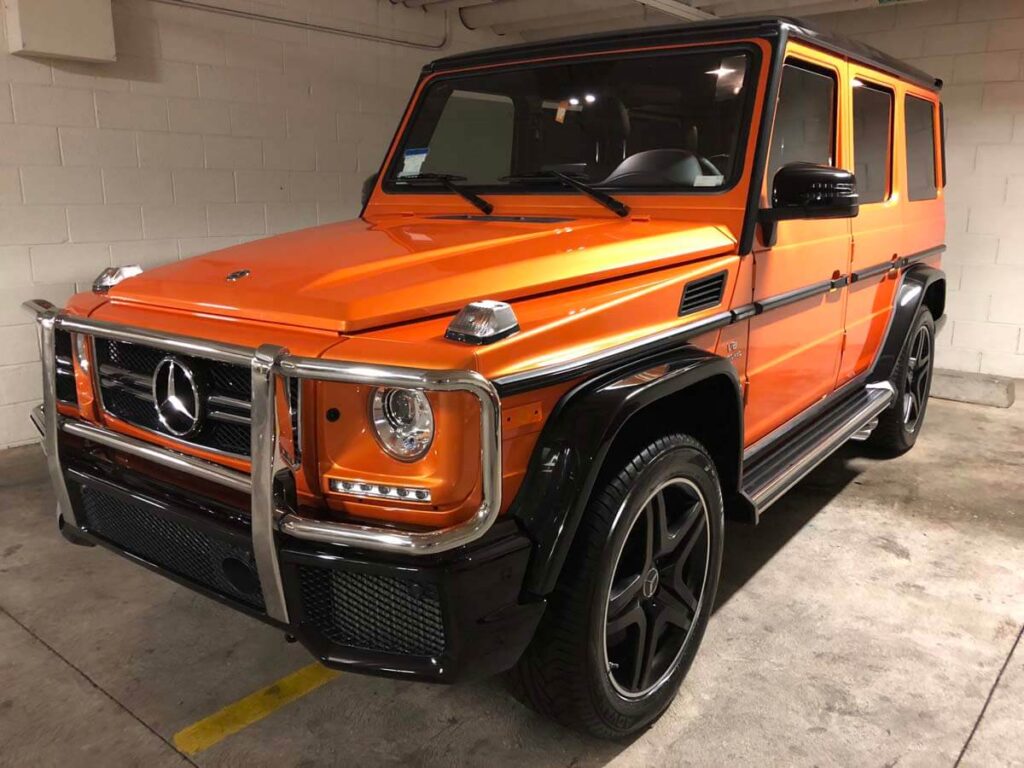
Car owners typically experience shorter installation periods compared to larger vehicles, though coverage level matters more than vehicle size alone. A compact sedan with full front paint protection film coverage—including hood, fenders, front bumper, mirrors, and headlights—generally requires 4-6 hours of professional work. Mid-size cars and luxury sedans may extend this to 6-8 hours due to more complex body lines and larger surface areas.
Trucks and SUVs demand additional time because of increased surface area and often more angular body panels. Full front coverage on a pickup truck typically takes 6-8 hours, while large SUVs can extend to 8-10 hours. These vehicles also frequently include rocker panel protection, adding installation complexity. The technique used for vertical surfaces differs from horizontal panels, requiring adjusted application methods.
Full body PPF installation represents a significant time investment across all vehicle types. Compact cars require 2-3 days of dedicated work, mid-size vehicles need 3-4 days, and trucks or SUVs often demand 4-5 days. RVs and motorhomes present the most substantial commitment, with complete installation taking 5-7 days or more depending on size and configuration. These extended timelines reflect the square footage involved and the physical demands on installers.
Partial coverage options provide faster alternatives while still delivering meaningful protection. A-pillar and mirror caps take 1-2 hours, door cups and handles require 2-3 hours, and rocker panels typically need 3-4 hours. These targeted applications work well for car owners seeking specific protection without full vehicle coverage investment.
Why XPEL PPF Takes Time: The Quality Difference
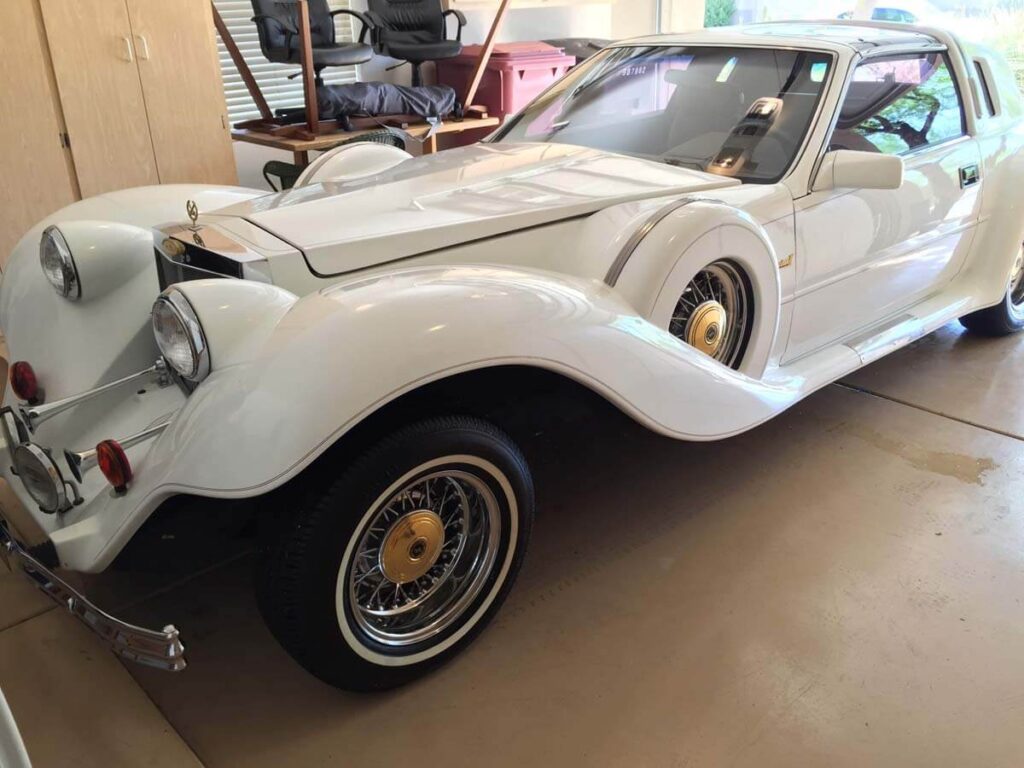
XPEL PPF stands apart from inferior products through self-healing properties, superior clarity, and advanced adhesive technology—but these benefits require precise installation techniques. The film’s thickness provides excellent impact protection, yet this same property makes it less forgiving during application. Installers can’t simply slap XPEL film onto your vehicle paint and expect professional results.
Temperature and humidity conditions significantly impact installation success. Professional installers work in climate-controlled environments where they can manage these variables, especially critical in Arizona’s extreme heat. The adhesive performs optimally within specific temperature ranges, and rushing the process in unsuitable conditions leads to edge lifting, bubbling, or adhesion failure. Gannon Ceramic Coatings & Mobile Detailing maintains proper environmental controls to ensure every XPEL installation meets manufacturer specifications.
The computer-cut patterns XPEL provides require careful handling and positioning. Unlike hand-cut methods that risk blade marks on your paint, pre-cut patterns eliminate this concern but demand precise alignment. A pattern that’s even slightly misaligned creates visible gaps or overlaps that compromise both protection and appearance. Experienced installers check and recheck positioning before committing to final adhesion.
Edge tucking and wrapping techniques separate amateur from professional work. Properly wrapping edges around panels, tucking film into gaps, and sealing vulnerable areas takes considerably more time than surface-only application. These details prevent moisture intrusion, reduce visible film lines, and extend the protection film’s lifespan. The extra hours invested in these techniques deliver years of additional performance.
Factors That Affect Your Installation Timeline
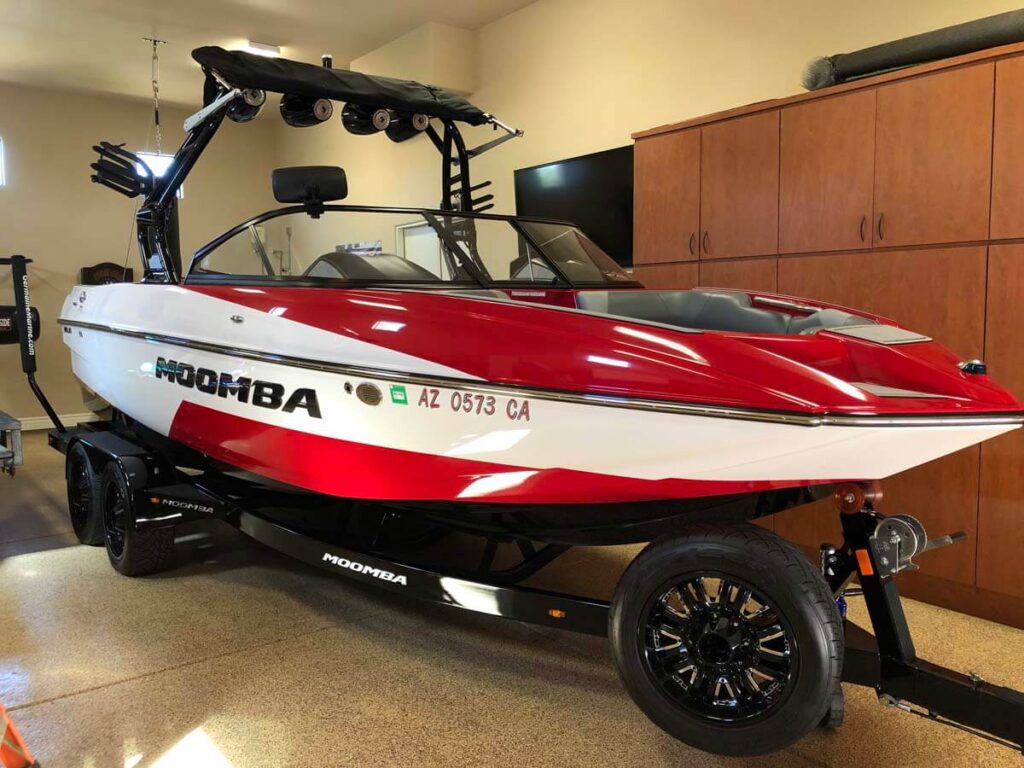
Vehicle condition dramatically influences installation time. A brand-new car with flawless paint requires minimal preparation, allowing installers to proceed directly to film application. Older vehicles or those with existing damage need additional prep work—paint correction, surface contamination removal, and sometimes even minor bodywork. Gannon Ceramic Coatings & Mobile Detailing assesses your vehicle thoroughly during consultation to provide accurate time estimates.
Coverage area represents the most significant variable in installation duration. Full front packages covering high-impact zones take a fraction of the time required for full body wraps. Door edges, handles, rocker panels, rear fenders, and trunk lids each add incremental time to the project. Car owners should discuss coverage priorities with installers to balance protection goals against time and budget considerations.
Vehicle complexity affects installation difficulty more than most realize. Sports cars with aggressive curves, pronounced body lines, and complex hood designs demand extra time for proper film laying. Trucks with textured bedliners, running boards, or aftermarket accessories require additional attention. RVs present unique challenges with their size, height, and varied surface materials that extend installation periods.
Installer experience level determines efficiency without sacrificing quality. Certified XPEL professionals complete installations faster than inexperienced applicators while delivering superior results. However, even experienced installers refuse to rush the process—the risks of compromised adhesion, visible imperfections, or premature failure aren’t worth a few saved hours. Gannon Ceramic Coatings & Mobile Detailing’s 24 years of experience ensures efficient work without cutting corners.
Scheduling Your XPEL Installation at Gannon Ceramic Coatings & Mobile Detailing
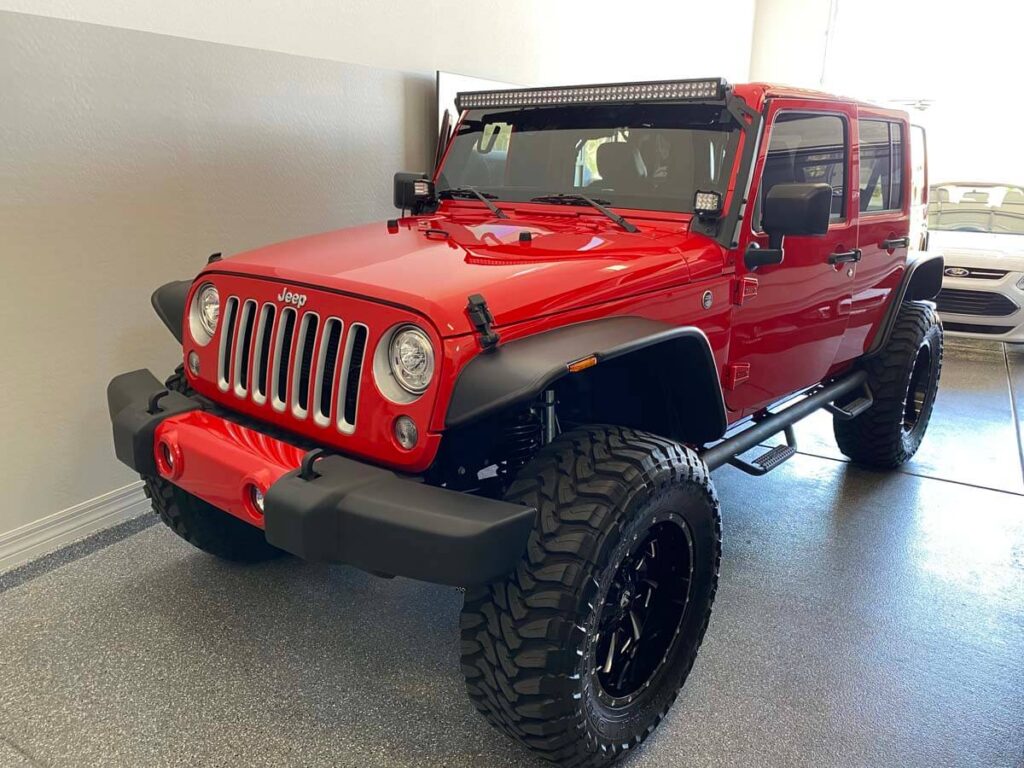
Planning your PPF installation requires coordinating your schedule with realistic time expectations. Full front packages typically need drop-off in the morning with next-day pickup, while full body applications require leaving your vehicle for multiple days. Gannon Ceramic Coatings & Mobile Detailing provides detailed timelines during your consultation so you can arrange alternative transportation if needed.
The film requires 24-48 hours of initial curing before you can wash your car or expose it to harsh conditions. This post-installation waiting period protects your investment and allows the adhesive to achieve full bond strength. Professional installers explain proper care during this critical window, including avoiding automatic car washes, high-pressure spraying, or waxing the film surface.
Seasonal considerations affect scheduling in Arizona’s climate. Summer heat can extend curing times and make working conditions more challenging, though Gannon Ceramic Coatings & Mobile Detailing’s climate-controlled facility mitigates these concerns. Spring and fall often provide ideal conditions for XPEL installation, with moderate temperatures supporting optimal adhesive performance and comfortable working environments.
Combining paint protection film with ceramic coating applications requires coordinated scheduling. Many vehicle owners choose this layered protection strategy, where XPEL provides impact resistance and ceramic coating adds hydrophobic properties and enhanced gloss. The installation sequence matters—film first, then coating—and the combined process extends your total time commitment but delivers unmatched protection.
What to Expect: Your Installation Day Experience
When you arrive at Gannon Ceramic Coatings & Mobile Detailing for your scheduled installation, our team conducts a final vehicle inspection to confirm paint condition and discuss any last-minute concerns. This review ensures no surprises emerge during the process and allows you to ask questions about the work ahead. Communication remains open throughout your installation period.
Your car undergoes thorough preparation before any film touches its surface. Washing removes surface contaminants, clay bar treatment eliminates bonded debris, and inspection lighting reveals imperfections requiring attention. This prep work consumes significant time but proves essential for long-term protection performance. Cutting corners here guarantees problems later.
The actual XPEL application proceeds systematically, panel by panel. Installers work methodically rather than rushing through sections, as each panel must be perfect before moving to the next. You may notice that times seem longer than anticipated—this deliberate pace ensures bubble-free application, properly sealed edges, and complete adhesive contact across every inch of film.
Post-installation inspection verifies quality standards before returning your vehicle. Installers check each panel for bubbles, debris, improper adhesion, or visible seams that require correction. Only after this final quality review does Gannon Ceramic Coatings & Mobile Detailing consider the job complete. This commitment to results over speed has built our reputation across 24 years of Arizona service.
Why Quality XPEL Installation Is Worth the Wait
The time invested in proper XPEL PPF installation pays dividends throughout your protection film’s lifespan. Rushed applications begin failing within months—edge lifting, bubble formation, yellowing, or complete delamination. Professional installation delivers 5-10 years of reliable protection, easily justifying the initial time commitment. Your vehicle paint remains pristine underneath, maintaining resale value and appearance.
Arizona’s extreme conditions particularly demand quality installation techniques. Intense UV exposure, temperature fluctuations exceeding 100°F between day and night, monsoon moisture, and dust storm abrasion all stress paint protection film continuously. Only properly installed XPEL withstands these challenges year after year. Inferior installation fails rapidly under Arizona’s harsh environment.
The self-healing properties XPEL offers only function with proper installation. The film needs complete contact with your vehicle surface and correct thickness application to activate its scratch-resistance technology. Bubbles, gaps, or adhesive failure prevent these features from working, essentially wasting your investment. Taking adequate time during installation ensures you receive the full benefit of XPEL’s advanced engineering.
Gannon Ceramic Coatings & Mobile Detailing stands behind every installation with XPEL’s manufacturer warranty, but warranty coverage requires certified professional application. DIY attempts or bargain installers void these protections, leaving you without recourse if problems develop. The time and precision professional installers provide isn’t just about appearance—it’s about securing your warranty protection and long-term investment value.
Your vehicle deserves protection installed right the first time. Contact Gannon Ceramic Coatings & Mobile Detailing today to schedule your consultation and receive an accurate installation time estimate for your specific car, truck, or RV. Our 24 years of Arizona experience ensures realistic expectations and exceptional results that protect your investment for years to come.