
Choosing between mobile and shop detailing services can significantly impact your vehicle’s appearance, maintenance costs, and overall satisfaction with professional automotive care. Both options offer distinct advantages and limitations that affect everything from convenience to service quality and long-term value.
The automotive detailing industry has evolved dramatically with mobile services gaining popularity alongside traditional shop-based operations. Understanding these differences helps you make informed decisions that align with your lifestyle, budget, and vehicle care expectations.
This comprehensive comparison examines both mobile and shop detailing services, analyzing their strengths, weaknesses, and ideal use cases. You’ll discover which option best suits your specific needs while maximizing value and maintaining your vehicle’s pristine condition.
Understanding Mobile Car Detailing
Mobile car detailing brings professional automotive care directly to your location, whether at home, work, or any convenient parking area. These services operate from specially equipped vans or trailers containing professional-grade equipment, water systems, and power generation capabilities.
The mobile approach addresses modern consumers’ time constraints and convenience preferences. Rather than disrupting your schedule to visit a detailing shop, mobile services adapt to your routine and location preferences.
Mobile detailing has grown rapidly due to technological advances in portable equipment and self-contained systems. Modern mobile units rival traditional shops in capability while offering unmatched convenience for busy professionals and families.
Key Services Offered in Mobile Detailing
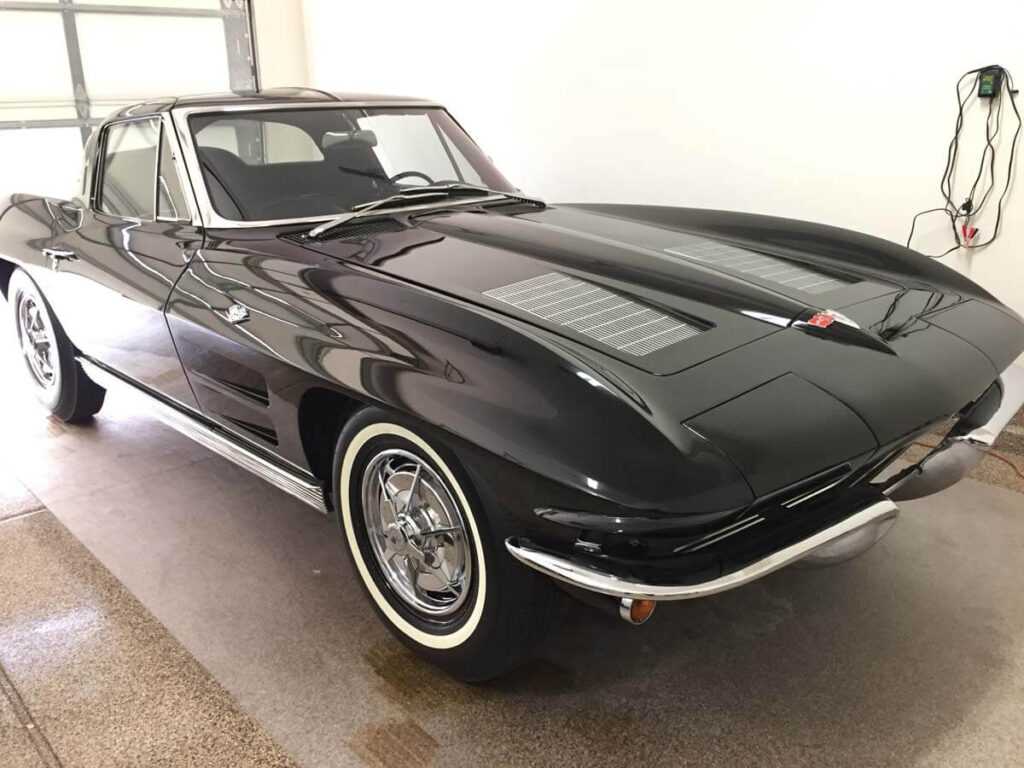
Mobile detailing services encompass comprehensive automotive care delivered at your preferred location. Basic packages typically include exterior washing, drying, and quick interior cleaning suitable for regular maintenance between more intensive treatments.
Premium mobile services offer paint correction, ceramic coating application, and advanced interior restoration. These treatments require specialized equipment and expertise that many mobile operators now provide through portable systems and professional-grade products.
Interior detailing represents a mobile service strength, including deep cleaning of carpets, seats, and surfaces using steam cleaning equipment and specialized extraction tools. Mobile units often carry multiple vacuum systems and cleaning products to address various interior materials.
Engine bay cleaning and detailing services are commonly available through mobile operations. The controlled environment and specialized degreasers allow thorough cleaning without concerns about water damage or environmental contamination.
Specialty services like headlight restoration, paint protection film installation, and minor scratch repair expand mobile capabilities. These services require portable tools and controlled conditions that modern mobile units readily provide.
Window tinting and ceramic coating application represent advanced mobile services that require climate-controlled environments. Many mobile operators invest in enclosed trailers or specialized equipment to provide these premium treatments.
The Pros and Cons of Mobile Car Detailing
Mobile detailing offers compelling advantages that address modern lifestyle demands while presenting certain limitations that may affect service quality or availability. Understanding these factors helps determine whether mobile services align with your specific needs and expectations.
The convenience factor drives much of mobile detailing’s popularity, particularly among busy professionals who value time savings over minor cost differences. However, this convenience comes with trade-offs in service scope and environmental control.
Evaluating mobile detailing requires considering both immediate benefits and long-term service quality. While convenience is immediate, service longevity and results quality affect overall value and satisfaction.
Pro: Time Efficiency and Convenience
Mobile detailing eliminates travel time and scheduling disruptions that traditional shop visits require. Instead of dedicating entire mornings or afternoons to vehicle care, you can continue with daily activities while professionals handle your automotive needs.
The ability to schedule services at your home or workplace provides unprecedented flexibility. Many mobile operators offer early morning or evening appointments that accommodate busy schedules without requiring time off work or weekend commitments.
Multi-vehicle households benefit significantly from mobile services, as multiple cars can be detailed simultaneously without coordinating separate shop visits. This efficiency multiplies time savings and reduces the complexity of maintaining multiple vehicles.
Emergency or last-minute service requests are easier to accommodate with mobile detailing. Many operators maintain flexible schedules and can respond quickly to urgent needs like pre-sale cleanings or event preparations.
Weather flexibility allows mobile services to work in covered areas like garages or carports during inclement conditions. This adaptability ensures consistent service availability regardless of seasonal weather patterns.
The personalized attention possible with mobile detailing often exceeds shop experiences. Mobile detailers typically work on one vehicle at a time, providing focused attention and customized service that larger shops cannot match.
Pro: Cost Effectiveness
Mobile detailing often costs less than equivalent shop services due to lower overhead expenses. Without rent, utilities, and facility maintenance costs, mobile operators can offer competitive pricing while maintaining healthy profit margins.
Travel expenses are eliminated when services come to you, saving fuel costs and vehicle wear associated with shop visits. These savings become significant for customers who live far from quality detailing facilities.
Time value calculations favor mobile services for busy professionals whose hourly earnings exceed the price difference between mobile and shop services. The productivity gained by avoiding shop visits often justifies any premium pricing.
Package deals and loyalty programs offered by mobile services can provide substantial savings for regular customers. Many operators offer discounts for multiple vehicles or recurring service schedules.
Reduced risk of additional upsells or pressure sales tactics characterizes many mobile operations. The intimate, one-on-one service environment often creates more honest recommendations and pricing transparency.
Con: Limited Space and Services
Working space constraints limit mobile detailing capabilities compared to dedicated shop facilities. Cramped quarters can affect work quality and prevent certain services that require extensive equipment or controlled environments.
Power and water limitations restrict some mobile operations, particularly those requiring high-energy equipment or large water volumes. These constraints may affect service depth or quality compared to shop-based alternatives.
Weather dependency significantly impacts mobile service availability and quality. Extreme temperatures, wind, or precipitation can prevent service or compromise results in ways that climate-controlled shops avoid.
Equipment portability requirements may limit tool variety and capability. While modern mobile units are well-equipped, they cannot match the comprehensive tool selection available in established shop facilities.
Service duration may extend longer in mobile settings due to setup and breakdown requirements. The time needed to prepare equipment and work areas can add significantly to overall service time.
Storage and inventory limitations affect product variety and availability. Mobile operators must carefully select products and supplies, potentially limiting options compared to shops with extensive inventory systems.
Understanding Shop Detailing
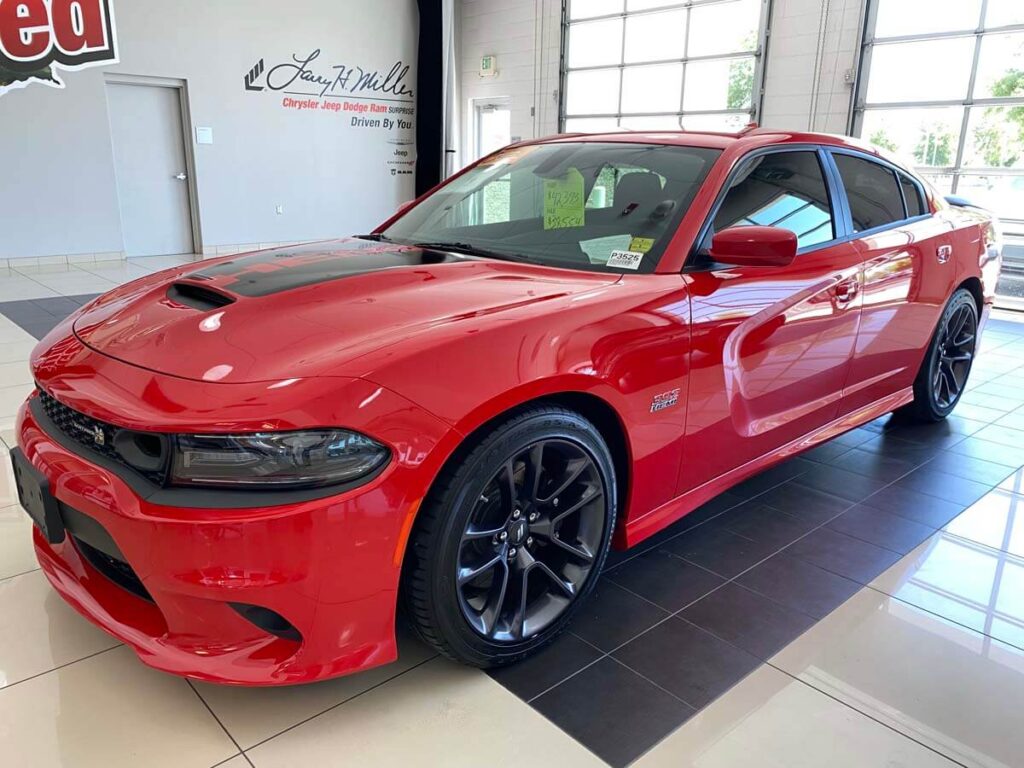
Shop detailing operates from fixed facilities equipped with comprehensive tool collections, climate control systems, and specialized work areas designed for optimal service delivery. These established businesses typically offer the widest range of services and highest quality control standards.
Traditional shop operations have decades of experience perfecting their processes and investing in advanced equipment. This experience translates into consistent results and the ability to handle complex or unusual automotive care challenges.
Shop facilities provide controlled environments that ensure optimal conditions for paint correction, ceramic coating application, and other services requiring precise temperature and humidity control. These conditions are difficult to replicate in mobile settings.
Key Services Offered in Shop Detailing
Comprehensive paint correction represents a shop detailing specialty, utilizing professional-grade polishers, compounds, and controlled lighting to achieve showroom-quality results. These services require extensive equipment and experience that shops readily provide.
Ceramic coating application in controlled environments ensures optimal curing conditions and longevity. Shop facilities maintain proper temperature and humidity levels while preventing contamination during the critical curing process.
Interior restoration services including leather repair, fabric protection, and deep cleaning utilize specialized equipment and controlled conditions. Shop environments allow for proper ventilation of chemicals and extended drying times.
Engine bay restoration and detailing services benefit from proper drainage, ventilation, and cleaning systems available in shop facilities. These services require environmental controls that mobile operations cannot easily provide.
Paint protection film installation requires dust-free environments and precise temperature control available only in professional shop settings. The complex installation process demands controlled conditions and extensive tool access.
Specialty services like vinyl wrapping, window tinting, and custom modifications require dedicated work areas and specialized equipment. These services represent significant shop advantages over mobile alternatives.
The Pros and Cons of Shop Car Detailing
Shop detailing provides superior service capabilities and quality control while requiring more significant time commitments and potentially higher costs. Understanding these trade-offs helps evaluate whether shop services align with your priorities and expectations.
The controlled environment and comprehensive equipment access available in shops enables services that mobile operations cannot match. However, these advantages come with scheduling constraints and travel requirements that may not suit all lifestyles.
Quality considerations often favor shop services for complex or high-value treatments where optimal conditions and extensive equipment access are essential for proper results.
Pro: Advanced Techniques and Quality Control
Professional equipment access gives shop detailing significant advantages in service quality and capability. Advanced polishing systems, spray booths, and specialized tools enable results that portable equipment cannot achieve.
Climate control systems ensure optimal conditions for all services, particularly temperature and humidity-sensitive treatments like ceramic coatings or paint protection film installation. These controlled conditions directly impact service quality and longevity.
Quality control processes in established shops typically exceed mobile operations due to standardized procedures, supervision, and accountability systems. Multiple technicians can review work and ensure consistent results.
Extensive product inventory allows shops to select optimal materials for each specific application. This variety enables customized solutions that mobile operators with limited storage cannot provide.
Specialized work areas designed for specific services optimize both quality and efficiency. Paint booths, wash bays, and detail areas each provide ideal conditions for their intended purposes.
Training and certification programs are more common in shop environments where multiple technicians work together. This collaborative environment promotes skill development and consistent service quality.
Con: Less Convenient and Potentially Costlier
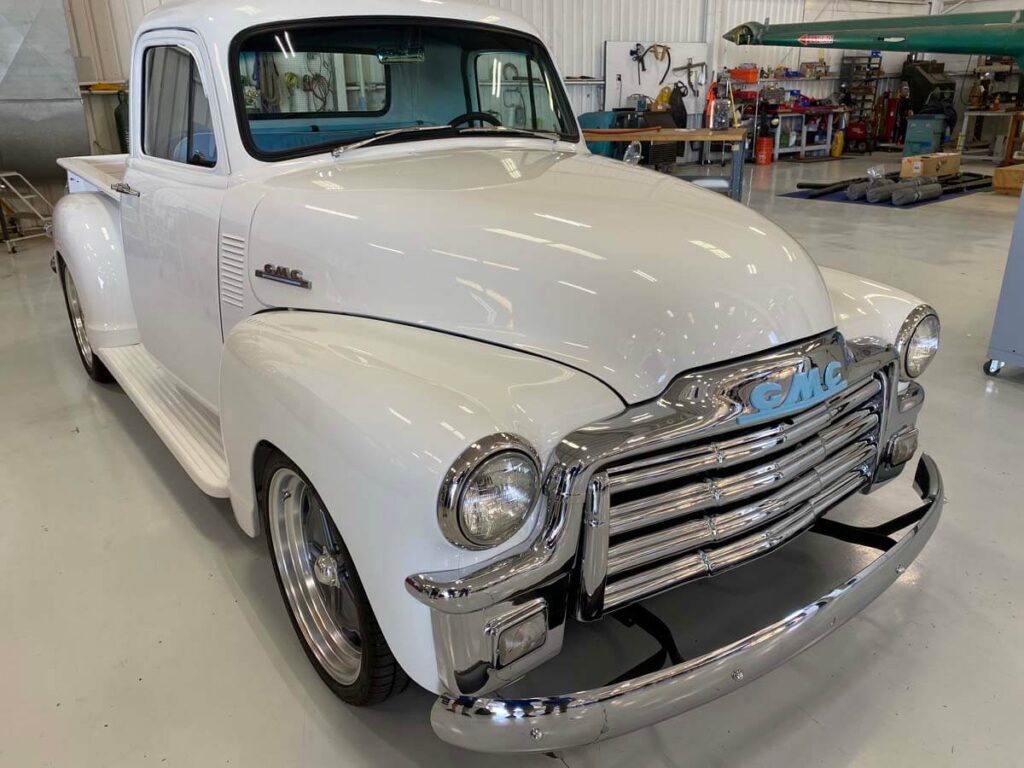
Scheduling constraints require planning around shop hours and availability, potentially conflicting with work schedules or personal commitments. The inability to provide service at your location adds travel time and complexity.
Transportation requirements mean driving to the shop, arranging pickup, or waiting during service completion. These logistics add time and inconvenience that mobile services eliminate.
Higher overhead costs often result in premium pricing for shop services. Rent, utilities, insurance, and facility maintenance expenses must be passed to customers through higher service rates.
Potential for upselling or pressure sales tactics may be higher in shop environments where customers are present during service discussions. The face-to-face interaction can create uncomfortable sales situations.
Limited flexibility in service timing and duration may not accommodate urgent requests or unusual scheduling needs. Shops typically operate on fixed schedules that may not align with customer preferences.
Vehicle vulnerability during transport to and from shops presents risks of damage, theft, or accidents that mobile services eliminate. Leaving vehicles at shops also raises security concerns.
Mobile vs. Shop Detailing: A Side-by-Side Comparison
Service quality comparison reveals shops generally provide superior results for complex treatments requiring controlled environments and extensive equipment. Mobile services excel in convenience and basic maintenance while potentially compromising on advanced treatments.
Cost analysis shows mobile services typically offer better value for basic and intermediate services, while shops may provide better value for premium treatments that require specialized equipment and conditions.
Time investment differs significantly between options. Mobile services save travel time but may require longer on-site service periods. Shop services require travel and waiting time but often complete work more quickly due to optimal conditions.
Service variety favors shops with their comprehensive equipment and facility capabilities. Mobile services focus on core offerings while shops can provide specialized treatments that require extensive setup or environmental control.
Convenience strongly favors mobile services that adapt to your schedule and location. Shops require you to adapt to their schedule and location, creating potential conflicts with busy lifestyles.
Quality control and consistency generally favor shop operations with their standardized procedures and supervision systems. Mobile services rely heavily on individual technician skill and may show more variation in results.
Deciding Between Mobile and Shop Detailing: Factors to Consider
The decision between mobile and shop detailing depends on multiple factors that affect both immediate satisfaction and long-term value. Evaluating these factors honestly helps determine which option best suits your specific circumstances.
Personal priorities regarding convenience, quality, and cost significantly influence the optimal choice. Understanding your own preferences and constraints guides the decision-making process.
Vehicle considerations including age, value, and condition affect the importance of service quality versus convenience. Luxury or collectible vehicles may warrant shop services, while daily drivers might benefit from mobile convenience.
Lifestyle and Time Availability
Busy schedules with limited free time strongly favor mobile detailing services that eliminate travel requirements and scheduling conflicts. Professional commitments that prevent daytime shop visits make mobile services particularly attractive.
Work-from-home arrangements provide flexibility that makes mobile services convenient without disrupting productivity. The ability to continue working while your vehicle is detailed maximizes time efficiency.
Family obligations and childcare responsibilities can make shop visits challenging or impossible. Mobile services accommodate these constraints by working around family schedules and eliminating transportation logistics.
Travel frequency affects the importance of convenience versus quality. Frequent travelers may prioritize quick, convenient service over premium quality, making mobile services more suitable.
Budget
Cost sensitivity influences the choice between mobile and shop services based on the specific treatments required. Basic services often cost less through mobile providers, while premium treatments may offer better shop value.
Value perception varies among customers who prioritize different aspects of the service experience. Some customers value convenience over small cost differences, while others prioritize maximum quality regardless of convenience.
Long-term cost considerations include service frequency and durability. Higher-quality shop services may last longer, potentially providing better long-term value despite higher initial costs.
Location and Space Availability
Urban environments with limited parking and high-density living favor mobile services that eliminate transportation challenges. City dwellers often lack convenient access to quality detailing shops.
Suburban and rural locations may have limited mobile service availability while offering better access to established shops. Geographic factors significantly influence service options and pricing.
Parking availability and space constraints affect mobile service feasibility. Adequate workspace and water access are essential for mobile operations but may not be available in all locations.
Level of Detailed Service Needed
Basic maintenance and routine cleaning needs are well-suited to mobile services that provide convenient, cost-effective care. Regular washing and interior cleaning don’t require specialized equipment or controlled environments.
Advanced treatments like paint correction, ceramic coating application, or paint protection film installation may require shop services for optimal results. These treatments benefit from controlled conditions and specialized equipment.
Vehicle condition affects service requirements and optimal provider choice. Severely damaged or neglected vehicles may require shop services for proper restoration, while well-maintained vehicles can benefit from mobile convenience.
Conclusion: Which One is Right for You?
The choice between mobile and shop detailing ultimately depends on your specific priorities, lifestyle, and vehicle care requirements. Neither option is universally superior, as each serves different needs and circumstances effectively.
Mobile detailing excels for busy professionals who value convenience and time savings over minor quality differences. These services work best for regular maintenance and basic treatments on well-maintained vehicles.
Shop detailing provides superior results for complex treatments, luxury vehicles, and customers who prioritize maximum quality over convenience. The controlled environment and comprehensive equipment access justify the additional time and cost investments.
Consider hybrid approaches that use both services strategically. Mobile services can handle routine maintenance while shop services address periodic deep cleaning or advanced treatments. This combination maximizes both convenience and quality while managing costs effectively.
The best choice aligns with your lifestyle, budget, and vehicle care goals. Evaluate your specific needs honestly and choose the option that provides the optimal balance of convenience, quality, and value for your unique circumstances.